If you can’t make it to the MDS Expo this weekend, I wanted to share the most important part of my presentation with you. Because when it comes to the Marathon des Sables, everyone talks about the sand, the distance, the pack and the heat.
But the real challenge is often more about what’s happening inside your body.
I’ve always said that the desert rewards patience.
You can be incredibly fit, have trained for months and arrive in fantastic shape, but if you get your pacing, hydration or heat management wrong, the desert will find you out very quickly. Don’t run at UK pace in Morocco as you’ll soon be in trouble.
That’s because as your body heats up, your heart rate rises, sweating increases and more blood is sent towards your skin to keep you cool. That means the same pace suddenly requires much more effort.
And this is why my first MDS rule is simple: Start cool. Start slow. Stay cool.
Heat acclimation is one of the biggest wins you can give yourself before MDS. Start around two weeks out and keep it controlled. Sauna, warm baths, a heat chamber or some easy training in warmer conditions can all help.
But don’t turn it into a competition. The aim is adaptation, not destruction. You want to arrive on the start line feeling rested, confident and ready - not completely cooked before you’ve even started.
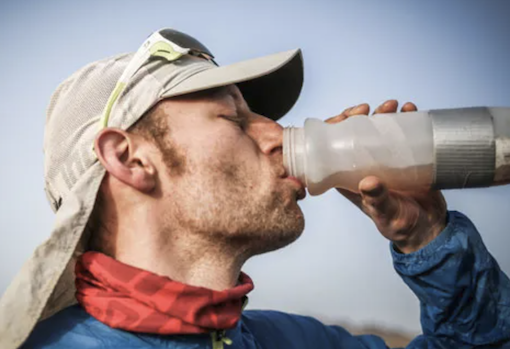
Hydration is another area where people can easily overcomplicate things. Not enough and dehydration and heat strain can become serious. Too much can be even worse.
More water does not automatically mean better hydration.
You need to understand your own body, your sweat rate and how you respond in the heat. One simple training test is to weigh yourself before and after a session and record how much fluid you drink. Over time, that gives you a very useful picture of your own needs.
Then at every checkpoint, keep things simple. Stop. Check. Refill. Reset.
Find some shade. Check how you feel. Head okay? Stomach okay? Mood okay? Eat if you can and take on some sodium. Cool yourself down. Then leave calmly.
I always say: Leave every checkpoint boringly organised.
That might not sound very heroic, but it’s exactly the sort of behaviour that gets people to the finish line. And remember, you’re not just looking after yourself. Look after your tent mates too.
If someone becomes confused, irrational, collapses or simply stops making sense, that is not just normal tiredness. Seek an Orange Jacker ASAP.
Don’t try to be clever. Don’t try to be a hero. And the same goes for pain.
Be very cautious about using ibuprofen and other NSAIDs to mask what your body is telling you. Heat, dehydration and long-distance exercise already put stress on the kidneys. Pain is information. Listen to it.
My seven golden rules remain simple:
Acclimatise. Start slowly. Drink to your needs. Know your sweat pattern. Replace sodium sensibly. Watch your tent mates and Get help early if something feels wrong.
MDS is not just about how fit you are and you’ll get hot, thirsty and tired.
All three are inevitable. The difference is how well you manage them.
The finish line isn’t won in one dramatic moment. It is earned through hundreds of small, sensible decisions made when you are hot, tired and uncomfortable.
And if you are coming to the EXPO – see you there as that’s where you’ll make the difference. That’s where you Raise Your Average.